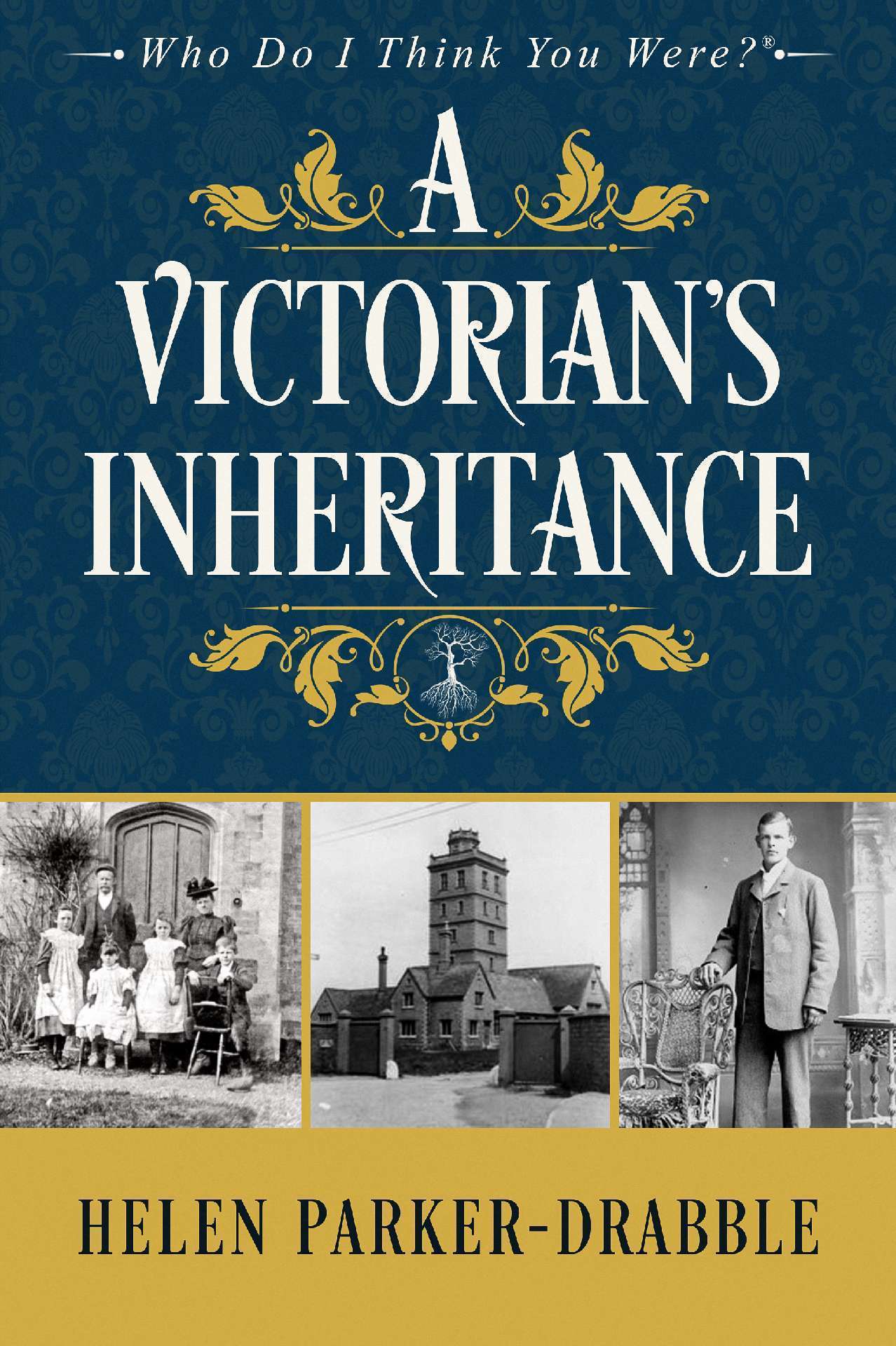
A Victorian's Inheritance - Who Do I Think You Were?®
Formats: E-Book, Paperback, Hardback, Large print
Ages: 12-15, 18+
A window into Victorian lives—and what it means for ours.
What psychological inheritance have you received from your ancestors?
We inherit more than heirlooms. The struggles, triumphs, and even traumas of our forebears can be handed down through generations, shaping who we are.
In A Victorian’s Inheritance, family historian and former counsellor Helen Parker-Drabble brings to life the working-class world of her Victorian grandfather, uncovering how his mother's hardships, bereavements and alcoholism in 19th-century England left their indelible mark on him. Through a unique blend of family history, social analysis, and a groundbreaking approach, she reveals how addiction, grief, and mental health challenges can influence future generations.
This deeply personal, yet relatable, book invites you to reflect on your own family’s untold stories. Whether you’re an avid genealogist, a lover of Victorian history, or simply curious about how your ancestors’ lives have shaped your own, A Victorian’s Inheritance will inspire you to discover the hidden legacies of your family—and better understand yourself and your relations.
Reviews
This book was reviewed in my local family history magazine and as I have had an interest in psychology for several years and recently come across the fact that trauma, depression and anxiety can come down through the generations, this was, for me, a must read. I was not disappointed. Like Helen, I have researched my family history and come across some traumatic events, and have often wondered about the impact these traumatic events would have had on their descendants. This book has helped to fill in the gaps. The amount of dedicated research the author has done is just amazing, and I thoroughly enjoyed reading about her grandfather. As another reviewer has commented, it is all too easy when researching family history to concentrate on facts such as births, deaths and marriages, but it is much more interesting to the descendants to "put meat on the bones" to include some social history, and anything else of interest including family stories. I have found that they are not always correct but generally have an element of truth to them. Congratulations to the author for writing such an interesting book.
Engaging and Accessible Swinburne University of Technology, Victoria, Australia A Victorian's Inheritance tells the story of theauthor's grandfather Walter and great grandparents, Stephen and Ann, but it is so much more than a genealogical account. Beginning with the question of why young Walter Parker refused to doff his cap to the Duke of Bedford's senior man - thus irrevocably altering his family's destiny - the book explores early 19th and 20th century attitudes and behaviours in order to enrich ourunderstanding of the context in which Walter lived and how his motives might have been shaped. We are treated to a vivid picture of the lives of Helen's ancestors in their 'ideal' community of Thorney, set up by the Duke of Bedford for his workers. We hear about the medical practices of the time, leisure pursuits, expectations regarding parenting, and housewifery. It was fascinating to me to learn that so many of the attitudes, values and practices described were similar to those I grew up with as an Australian child in the 1940s and 50s, as did my mother some 30 years previously. We played the same games, got involved with the church fetes, wore camphor bags round our necks to ward off colds and expected our mothers to be home when we arrived home from school. But entrenched as we were in British ways, cap doffing would never have become an issue in our less class-conscious society. Helen Parker-Drabble takes her analysis even further, going beyond discussion of social and historical context to draw on psychological theory and research as a way of examining the motives and feelings of her ancestors. Was it grief that motivated her great grandmother Ann to abuse alcohol? How did the parenting practices of Walter's mother and father impact on his own expression of emotion (or lack of it)? Speculations based on theories of human behaviour give us new ways of understanding Stephen, Ann and Walter.They also give us cause to reflect on the motives of our own ancestors -potentially a therapeutic exercise, especially in cases where we look back on the past with some dismay or censure of our forebears. How would we have acted in similar circumstances? The author notes that she set out to writea book about her family history that was both "engaging and accessible", and she has certainly succeeded in this aim. The information provided is thoroughly researched but always presented with a light touch. Those who love family history will enjoy this book and take from it some excellent ideas about how they might present their own family stories. I recommend it with pleasure.
As a researcher for my family tree, we often get stuck in finding information, and have just purchased this book which highlights a different way of thinking, it has been well researched and written in an easy format to follow, with excellent ideas as to a different approach that can unlock some of those closed doors. No matter what level of expertise we have reached, we can still learn, this book is a must for Genealogists.