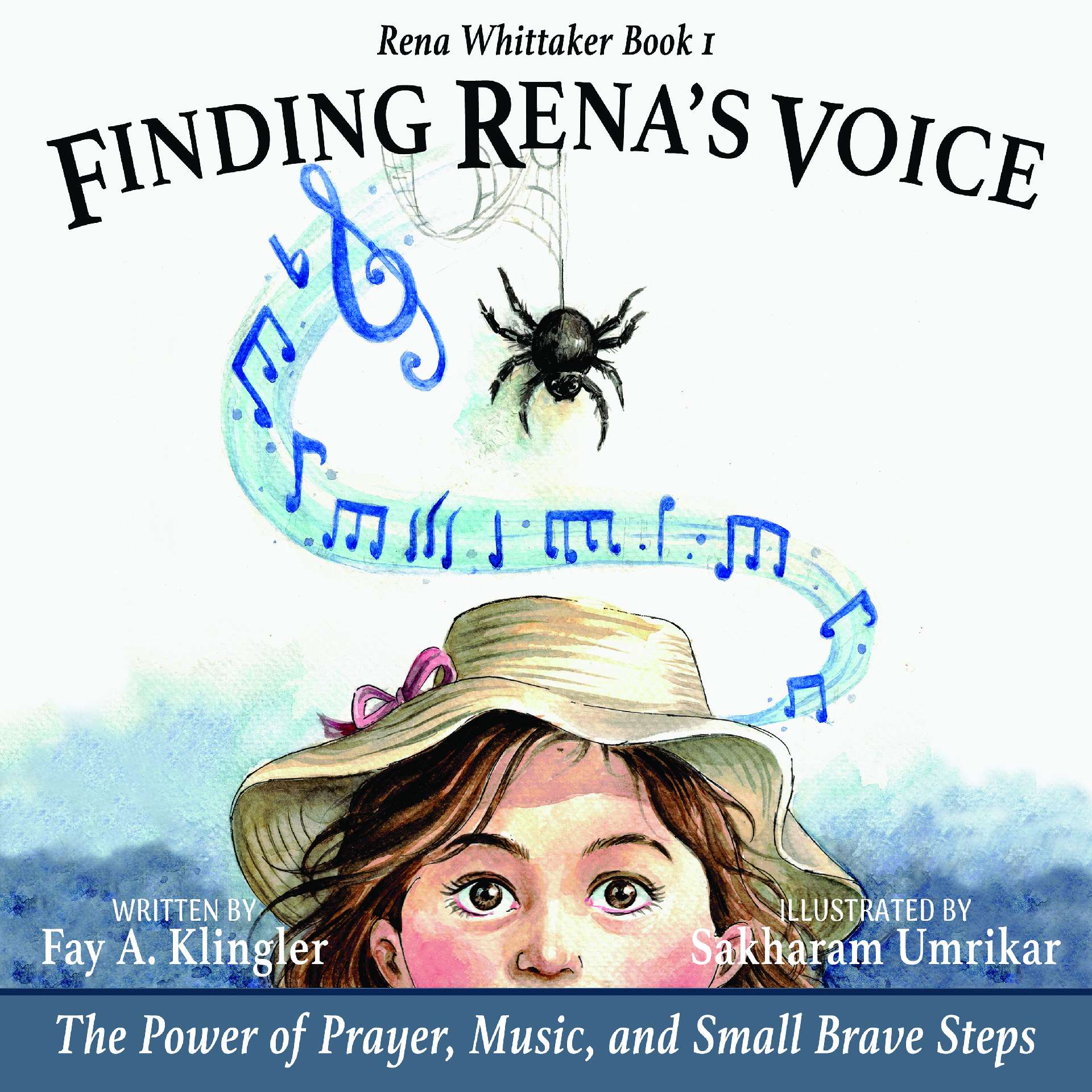
Finding Rena's Voice
Formats: Paperback, Hardback
Ages: 5-8, 8-11
In her own way, eleven-year-old Rena Whittaker has always been brave. At times, though, her confidence falters, clouded by her fear of being heard when she sings. With gentle encouragement from her neighbor, Eithan, and a little help from her robot dog, Rena discovers that overcoming fear requires action—sometimes beginning with a single out-loud note. This heartwarming story reminds us that when we do our part, combining effort with faith, we grow in courage and confidence while discovering joy along the way.
Reviews
Finding Rena’s Voice is an outstanding book for children. Through its imaginative text and beautiful illustrations, it encourages self-esteem, emotional growth, prayer, and faith. The book invites children to envision their unique potential to share the things of their hearts, fostering a sense of empowerment and confidence. The themes of faith, hard work, and support are woven throughout the story, helping children understand their journey is full of possibilities. The gentle, affirming language also promotes emotional intelligence, reminding kids they are valued and capable. The illustrations complement the text beautifully, with relatable characters and picturesque scenery. This book is a perfect tool for nurturing social, spiritual, and personal development, making it an excellent choice for home reading or classrooms. Overall, Finding Rena’s Voice is a heartfelt and educational book that inspires children to sing the songs of their hearts and have faith that if they do their best, they will receive help to accomplish hard things.
This is a must-read children’s book! Don’t we all need to overcome fear to become our best selves? Fay masterfully weaves together the essential pieces of the emotional regulation puzzle in this delightful story, filled with vibrant descriptions that bring each page to life. For example, the unwanted emotion of fear becomes more understandable when likened to squishing a spider—a simple, relatable comparison. Simple examples of awareness of our feelings, identifying and reappraising our thoughts, modulating responses, and practicing mindfulness are accurately touched on as components for meaningful change. Ultimately, the story reminds readers that often our emotional responses can be a choice and that the power of prayer is not just in the prayer itself. It is the connection rooted in belief of doing it with God that provides us with peace and hope that gives us the transformative courage to try so each of us can realize our divine potential!