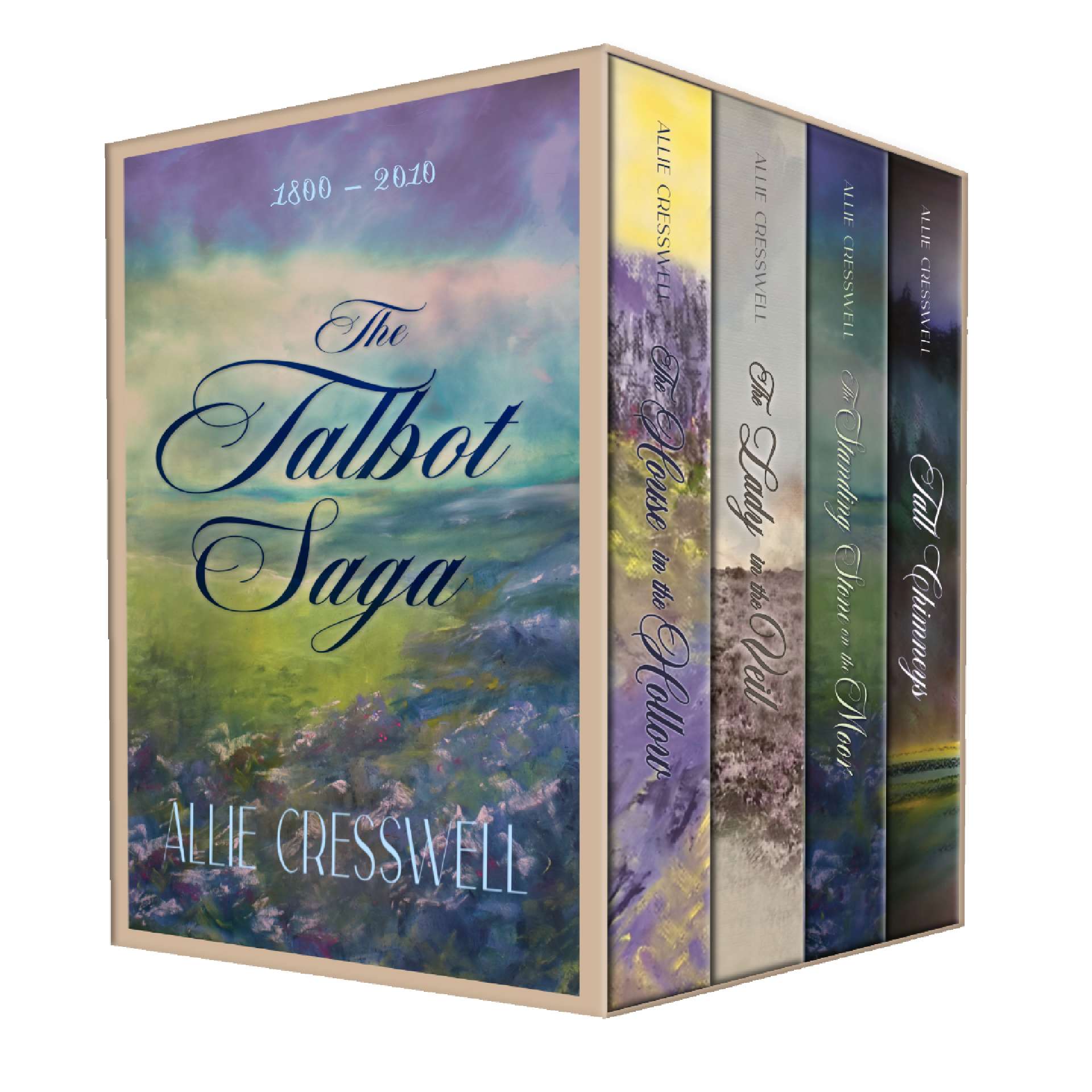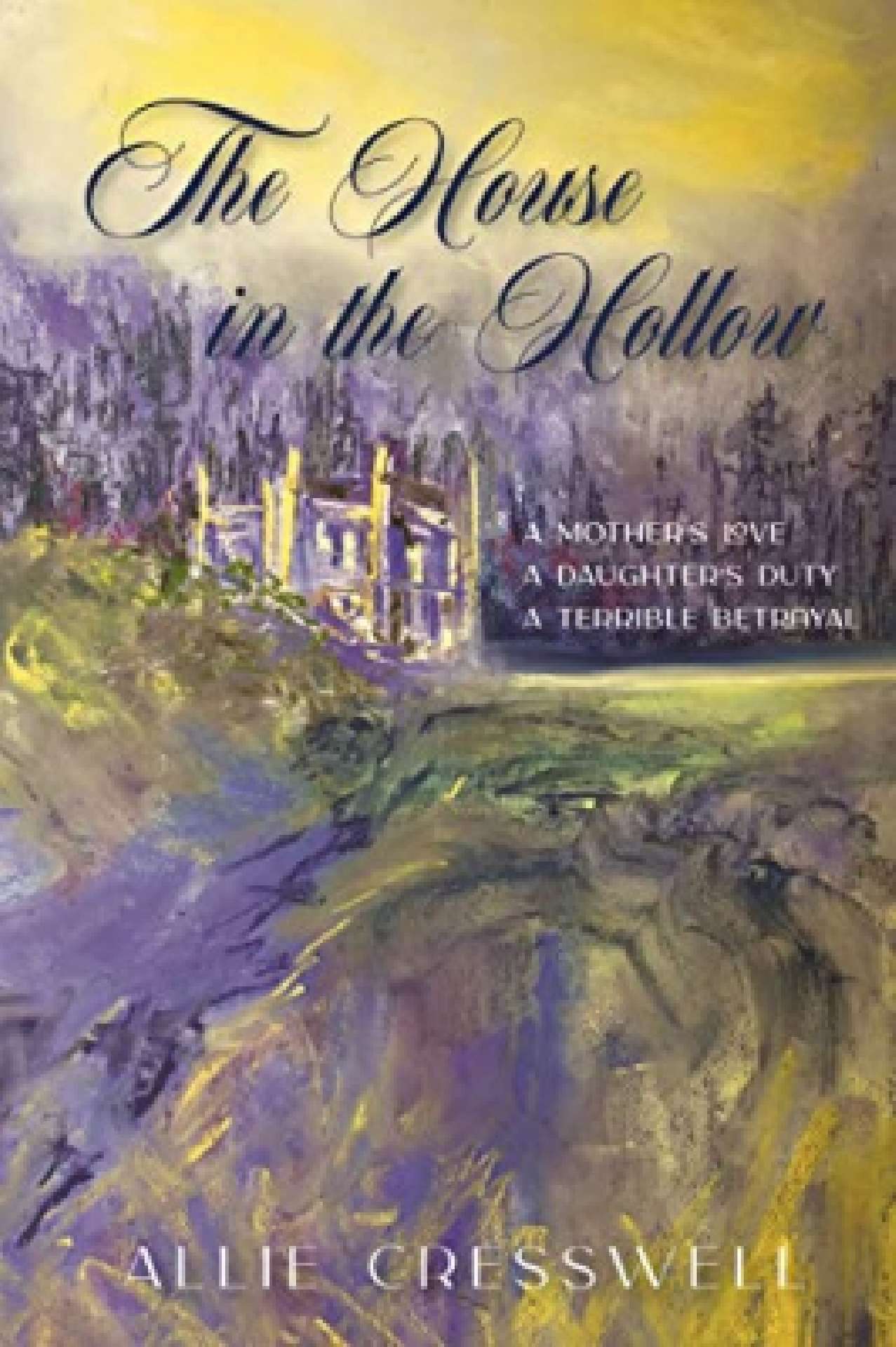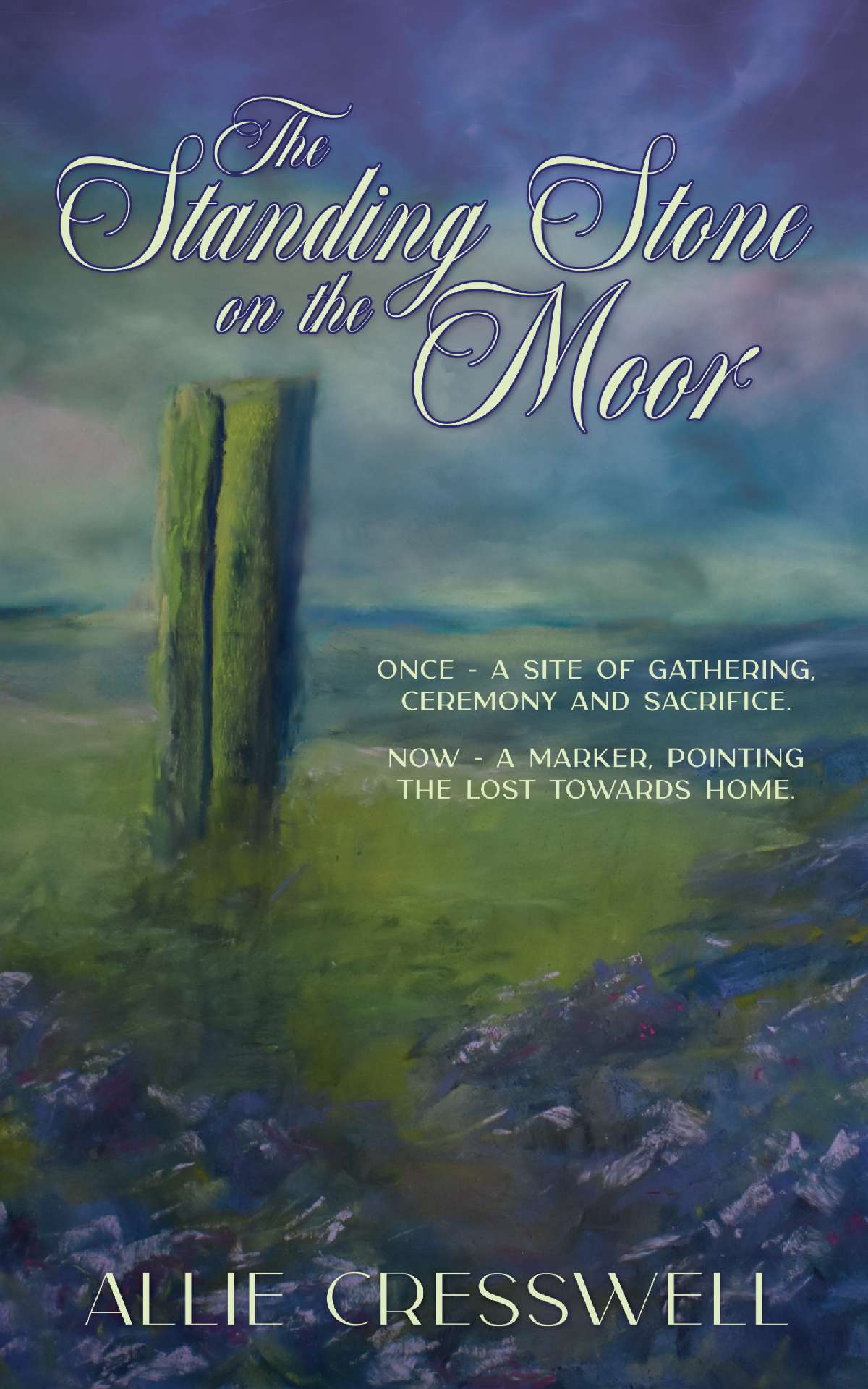
The Standing Stone on the Moor - Talbot 3
Formats: E-Book, Paperback
Ages: 16-18, 18+
"This one felt lke coming home to a place I was already familiar with."
"The beauty of Allie Cresswell's book is the way she has woven social commentary seamlessly into a compelling narrative."
"This really should be made into a film."
"I lived with them, laughed and cried with them, became friends with them."
Yorkshire, 1845.
Folklore whispers that they used to burn witches at the standing stone on the moor. When the wind is easterly, it wails a strange lament. History declares it was placed as a marker, visible for miles—a signpost for the lost, directing them towards home.
Forced from their homeland by the potato famine, a group of itinerant Irish refugees sets up camp by the stone. They are met with suspicion by the locals, branded as ‘thieves and ne’er-do-wells.’ Only Beth Harlish takes pity on them, and finds herself instantly attracted to Ruairi, their charismatic leader.
Beth is the steward of nearby manor Tall Chimneys—a thankless task as the owners never visit. An educated young woman, Beth feels restless, like she doesn’t belong. But somehow ‘home’—the old house, the moor and the standing stone—exerts an uncanny magnetism. Thus Ruairi’s great sacrifice—deserting his beloved Irish homestead to save his family—resonates strongly with her.
Could she leave her home to be with him? Will he even ask her to?
As she struggles with her feelings, things take a sinister turn. The peaceable village is threatened by shrouded men crossing the moor at night, smuggling contraband from the coast. Worse, the exotic dancing of a sultry-eyed Irishwoman has local men in a feverish grip. Their womenfolk begin to mutter about spells and witchcraft. And burning.
The Irish refugees must move on, and quickly. Will Beth choose an itinerant life with Ruairi? Or will the power of ‘home’ be too strong?
Reviews
The Standing Stone on the Moor by Allie Cresswell is a finely written story that places the reader in a fantastically drawn world where setting and atmosphere are more than just background. The moor, the crumbling estate, and the Irish encampment are rendered with such care and texture that they feel rooted equally in geography and time. Cresswell uses detailed imagery and careful pacing to lull her readers through a story uniquely grounded in humanity and social awareness. I appreciate that the relationship between Beth and Ruairi develops gradually, shaped by the restraint of a seasoned writer through shared moments that are honest and intimate. Beyond this, there is an organic portrayal of class and cultural divisions, which, as an immigrant myself, is a legitimate shedding of light on the lived realities of those often marginalized. Overall, this is a story and a series worth every moment of the time investment for excellent writing, and its sense of place and human experience.