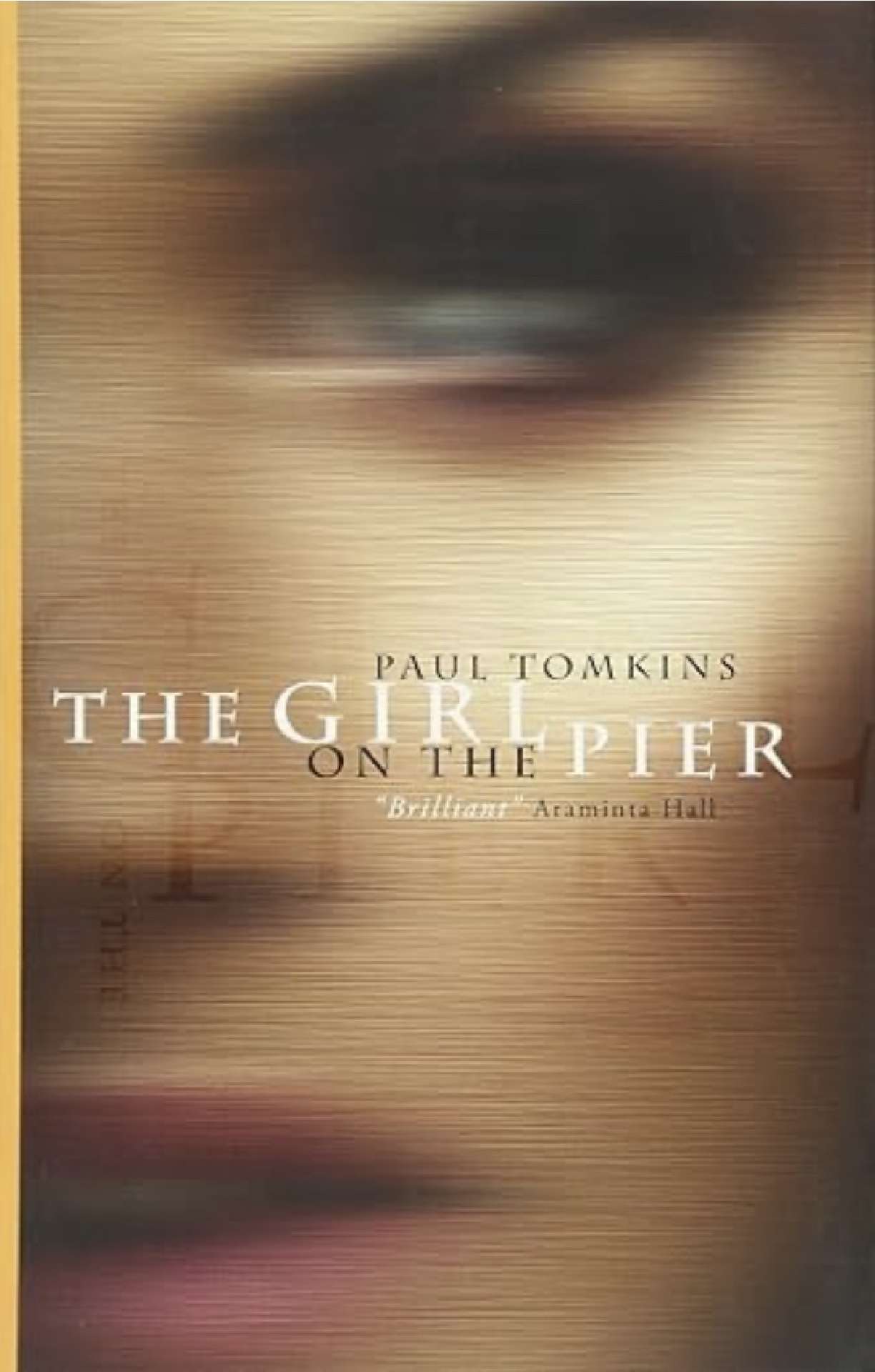

The Girl on the Pier
Abandoned time and again by those he holds dear, Patrick Clement is forging a reputation as a forensic sculptor, helping to identify the unclaimed missing. But he can’t leave behind a remarkable summer night in 1993, spent alone on Brighton’s derelict West Pier with Black, a beautiful photography student. Patrick is haunted by the fact that no sooner did he get to know her than she disappeared from his life... Who is this girl? And where is Black, the one who got away?
Decades on, while at work, Patrick is tasked with reconstructing the skull of an unidentified girl found on the pier in the 1970s – the pier he still thinks about. A crime he recalls from childhood, when his family life was in turmoil, Patrick works to discover the truth behind what has happened.
Set in Brighton, The Girl on the Pier spans several decades, from the seventies to the present day. Inspired by literary novelists such as Ian McEwan, Anne Tyler and John Updike, Paul uses vivid images to make the reader feel as though they are right there in the story. The Girl on the Pier will appeal to lovers of psychological thrillers and suspense novels.
Reviews
Patrick Clement has been tasked by authorities with reconstructing the face of a young, unknown victim named “Marina,” found murdered many years before on a pier in the English seaside resort of Brighton. With his marriage in shreds, Patrick moves into the cottage given to him by his aunt, the terminally ill Kitty. Surrounded again by memories of a tragic childhood (including a mother who committed suicide and a father who died an alcoholic), Patrick works to shed light on the identity of the mysterious woman, even as his thoughts revolve around some significant women who’ve disappeared from his own life: his mother, a young Frenchwoman he met as a teenager in London, and a troubled teenage girl that his Aunt Kitty once took in to live with them. In particular, Patrick’s thoughts drift toward a young woman called Black, with whom he spent a memorable evening at the pier and who’s haunted him since their first meeting. He tries to trace the whereabouts of Black and consults the retired policeman for whom he’s working on the reconstruction. As the reconstruction nears completion, Patrick comes nearer and nearer to the truth. Tomkins’ prose is evocative and devastating. He portrays the Brighton beach beautifully—the facile amusements and giddiness of the holiday destination as well as the darkness that lies beneath, as when Patrick recalls walking there with his father as a child after he’d been abandoned by his mother: “From a vendor beside a Punch and Judy show he bought me an ice cream, but not even its sweetness could distract from my distress…he bought me a red balloon, which, like a beaten finalist, I carried as a worthless consolation prize.” Tomkins’ painstaking descriptions of the minutiae of Patrick’s forensic artistry are remarkable for their lyricism and for the insight that they provide into Patrick’s need to impose order on chaos: “She is evolving, returning to life….She is far from finished, but to someone, somewhere, she might already be alive.” Beautiful and chilling—a brilliant debut.