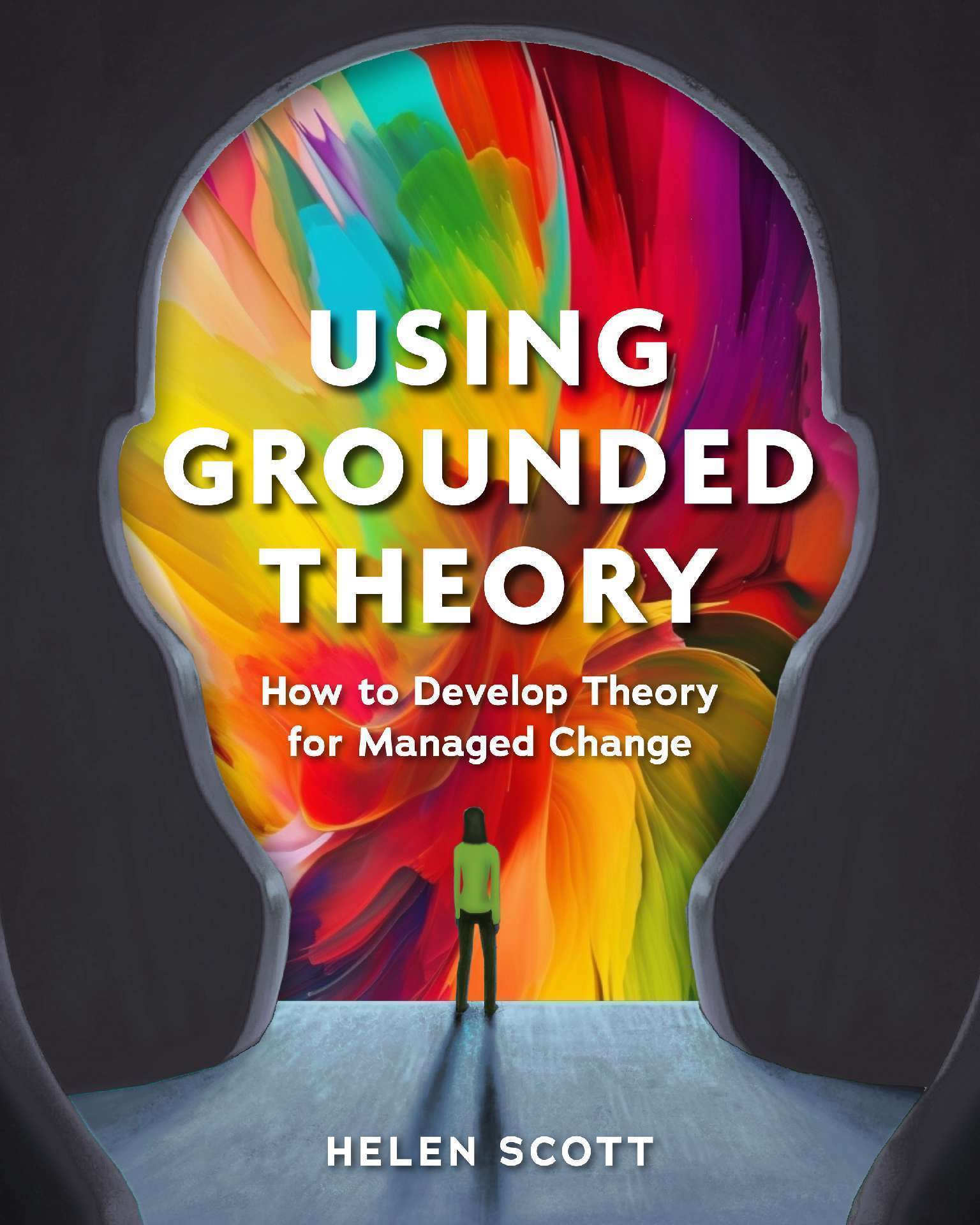
Using Grounded Theory: How to Develop Theory for Managed Change
Formats: E-Book, Paperback, Hardback
Ages: 18+
People using the grounded theory research method tend to want to understand what is happening in an area or going on for a group of people. Many seek to provide practical recommendations for targeted and impactful change. Popular with interpretivist, critical realist and post-positivist researchers, the method enables solo researchers to develop theories that matter in diverse fields such as psychology, healthcare, business, management and leadership, education, sociology and more.
This book offers practical guidance on generating grounded theory using qualitative data. Drawing on her experience mentoring novice grounded theorists from various disciplines worldwide, Helen guides you through this systematic and rigorous approach to collecting and analysing data, including constructivist, co-constructed data. The book is enriched by over 50 images and the many examples of Helen’s mentees and peers who share their strategies for addressing common challenges of theory development.
This book will be valuable for post-graduate researchers, supervisors, professors, lecturers, and professionals in qualitative research, and those commissioning qualitative research, such as policy makers and those in leadership roles.
Helen Scott PhD, researches for global, national and local organisations. She is a respected grounded theorist, supports researchers through her website Grounded Theory Online and is a founding member of the International Association of Grounded Theorists.
Reviews
Helen Scott’s Using Grounded Theory: How to Develop Theory for Managed Change(Grounded Solutions Ltd.) is a welcome and timely contribution to the Classic Grounded Theory (CGT) literature. Having taught qualitative research methods in general and classic grounded theory in particular for many years, I’ve been waiting for a book like this. Written in a friendly, practical, and accessible voice, this book serves as an invaluable resource for novice grounded theorists and applied researchers looking for a clear guide to doing theory-building research in the classic “Glaserian” tradition (Scott, 2025). The book’s orientation, tone, and layout make it especially helpful for graduate students, practitioner-scholars, and organizational researchers interested in developing substantive theory that can inform and support systemic change... full article available from link