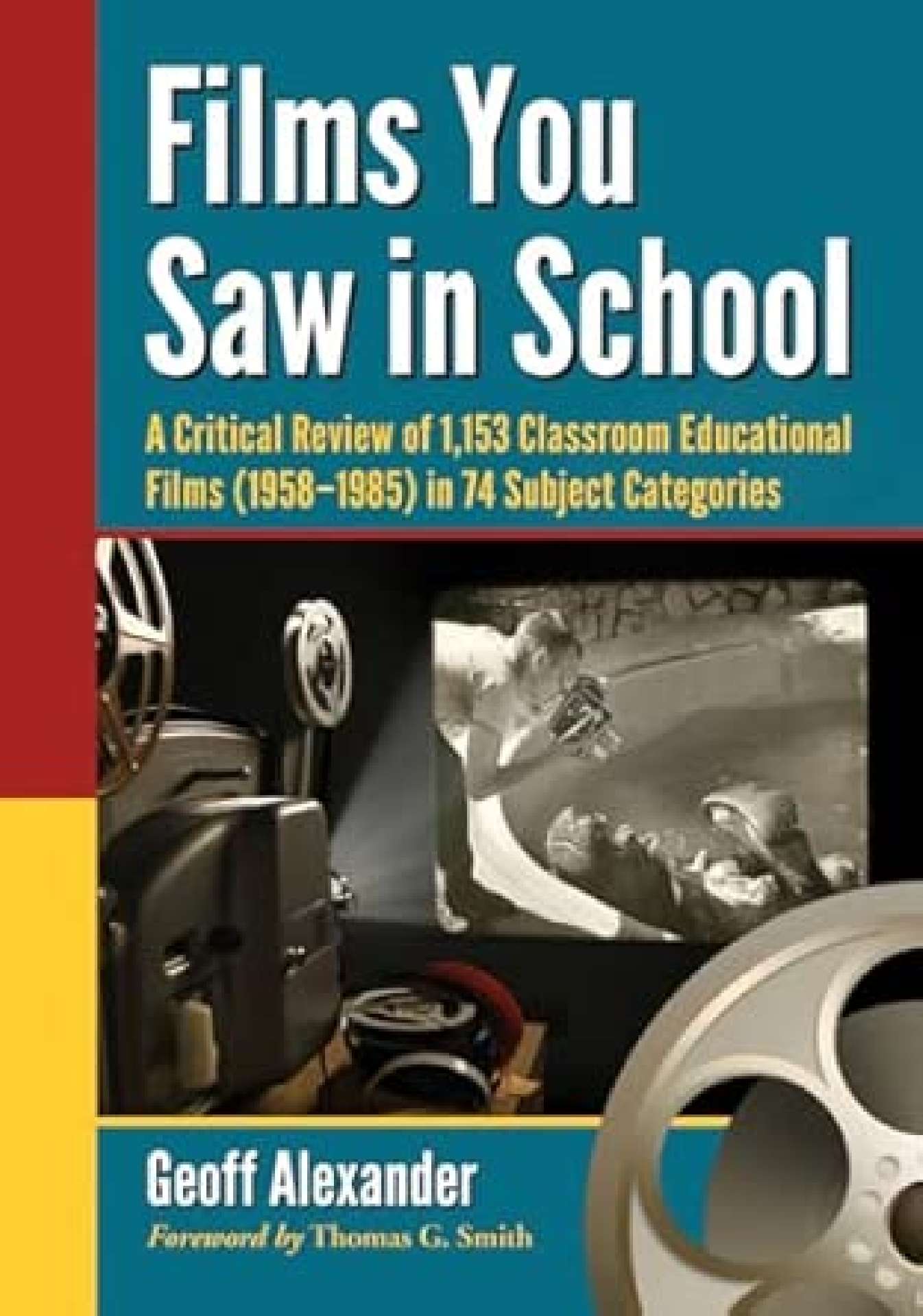
Films You Saw in School: A Critical Review of 1,153 Classroom Educational Films
Formats: E-Book, Paperback
Ages: 16-18, 18+
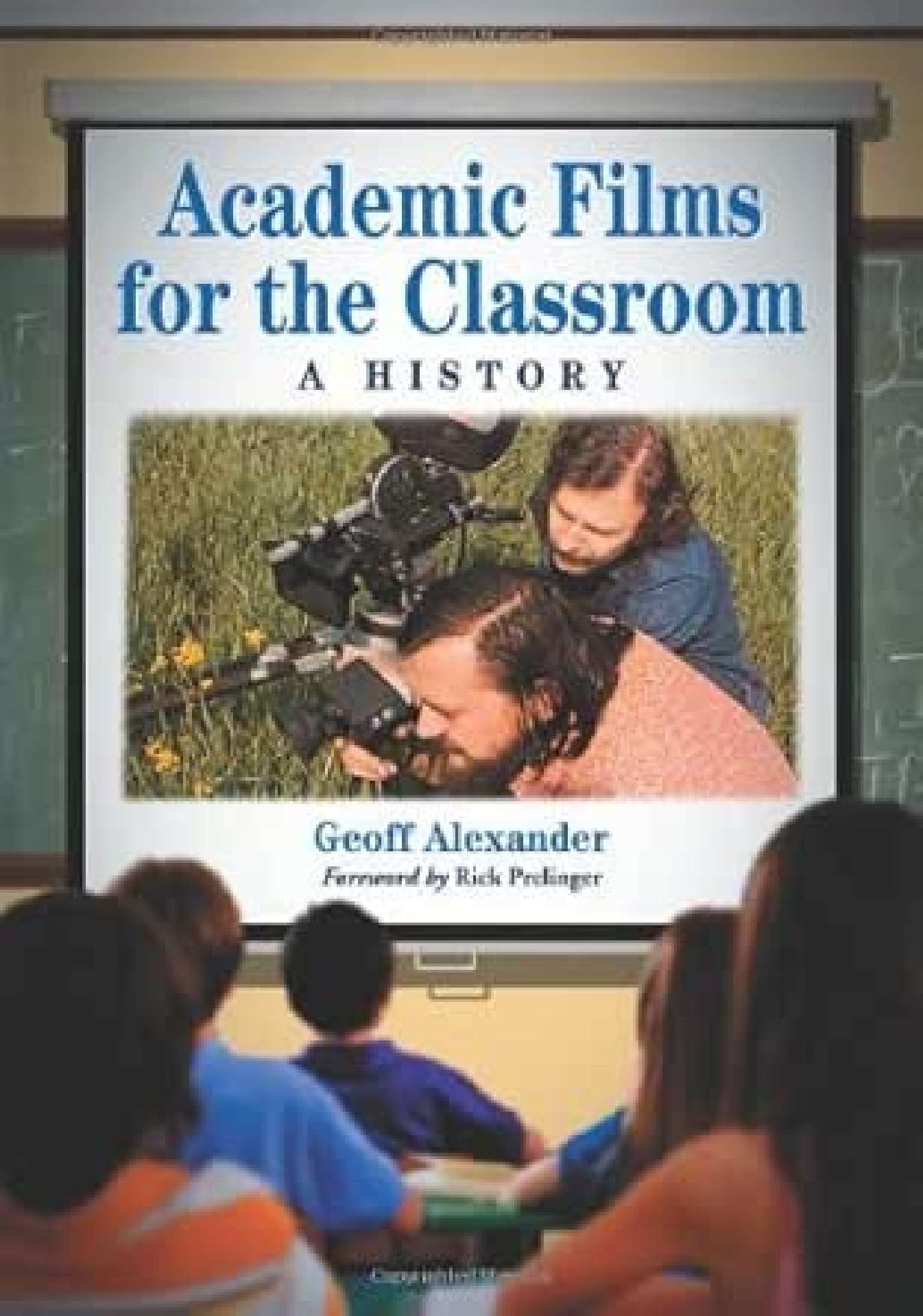
Millions of dollars in public funds were allocated to school districts in the post-Sputnik era for the purchase of educational films, resulting in thousands of 16mm films being made by exciting young filmmakers. This book discusses more than 1,000 such films, including many available to view today on the Internet. People ranging from adult film stars to noted physicists appeared in them, some notable directors made them, people died filming them, religious entities attempted to ban them, and even the companies that made them tried to censor them. Here, this remarkable body of work is classified into seven subject categories, within which some of the most effective and successful films are juxtaposed against those that were didactic and plodding treatments of similar thematic material. This book, which discusses specific academic classroom films and genres, is a companion volume to the author's Academic Films for the Classroom: A History (McFarland), which discusses the people and companies that made these films.
Reviews
This is a fine piece of scholarship in an area of classroom instruction which has received little attention despite its one time prominence in schools. Initially, I expected it to be an account of the content of individual film titles, but it's a highly readable, discursive look at different subject areas - social studies, history, literature, foreign language instruction, etc. - and the films (and filmmakers who made them) which were used to support teaching of these subjects. Even if you didn't see many of these films in schools, the lively, informative descriptions of these titles - including how they were made and the filmmakers who made them - is compelling reading. Alexander has gone to great length to research the background to these titles, and one feels that he has viewed each with a critical eye as well as talked to many of the filmmakers. He's also made a collection of the films (250+ at last count) accessible online by locating and/or digitizing as many as possible A webpage showing where many of the films can be found is at [...] Having worked for several decades myself in educational films, I found many new bits of information which I hadn't known before. Most of us have heard of and even seen the remarkable, pioneering film Nanook of the North by Robert Flaherty, made in 1922 and said by John Grierson to be the first 'documentary' (a word Grierson apparently coined), but how many of us know of the dozens of subsequent films on Inuit culture made by the National Film Board of Canada and others? Another example: Alexander reveals some of the unknown stories behind the making of the pioneering Bell System Science Series (e.g. Our Mr. Sun, Hemo the Magnificent, etc.) including the fact that several were directed by Hollywood legend, Frank Capra, who stipulated that he be allowed to imbed religious messages into the the narration. Similarly, Alexander devotes time to Milan Herzog's ground breaking foreign language series (Je Parle Français, La Famila Fernández, Emilio en España,Encyclopedia Britannica Films). He records various anecdotes in their making (the French series was 120 films!) including Herzog's account of his persuasive method of getting his hands on the original, first lightweight Nagra recorder produced by Kudelski. These and other stories make the book a wonderful, thoughtful, thorough and engaging read for anyone who has ever been curious about how all these educational films in schools came to be.