
Debbie Carroll
ALLi Author Member
Location: United Kingdom
Genres: Mental Health, General Nonfiction, Academic, Other, Advice & How To, Business, Nature/Science
Debbie Carroll is an experienced garden designer whose work in dementia care settings raised a simple but powerful question: why aren’t these gardens used more, and why are doors so often locked? That question led to a collaborative research project with fellow designer Mark Rendell and their award winning ‘Why don’t we go into the garden?’ series of books and tools was the result. These resources reveal what really prevents garden engagement and empowers care organisations, and designers, to enable residents to go outdoors freely, enjoy meaningful activities, and the proven health and well-being benefits of being outside in the garden and within nature. Debbie actively shares their work though her many powerful real world stories at speaking events, organisational conferences and workshops across both Care and Design sectors within the UK and Internationally.


Debbie Carroll's books
Genres: Academic, Advice & How To, Business, General Nonfiction, Manuals and Workbooks, Mental Health, Nature/Science, Self-Help/Personal Development, Other
Formats: Paperback
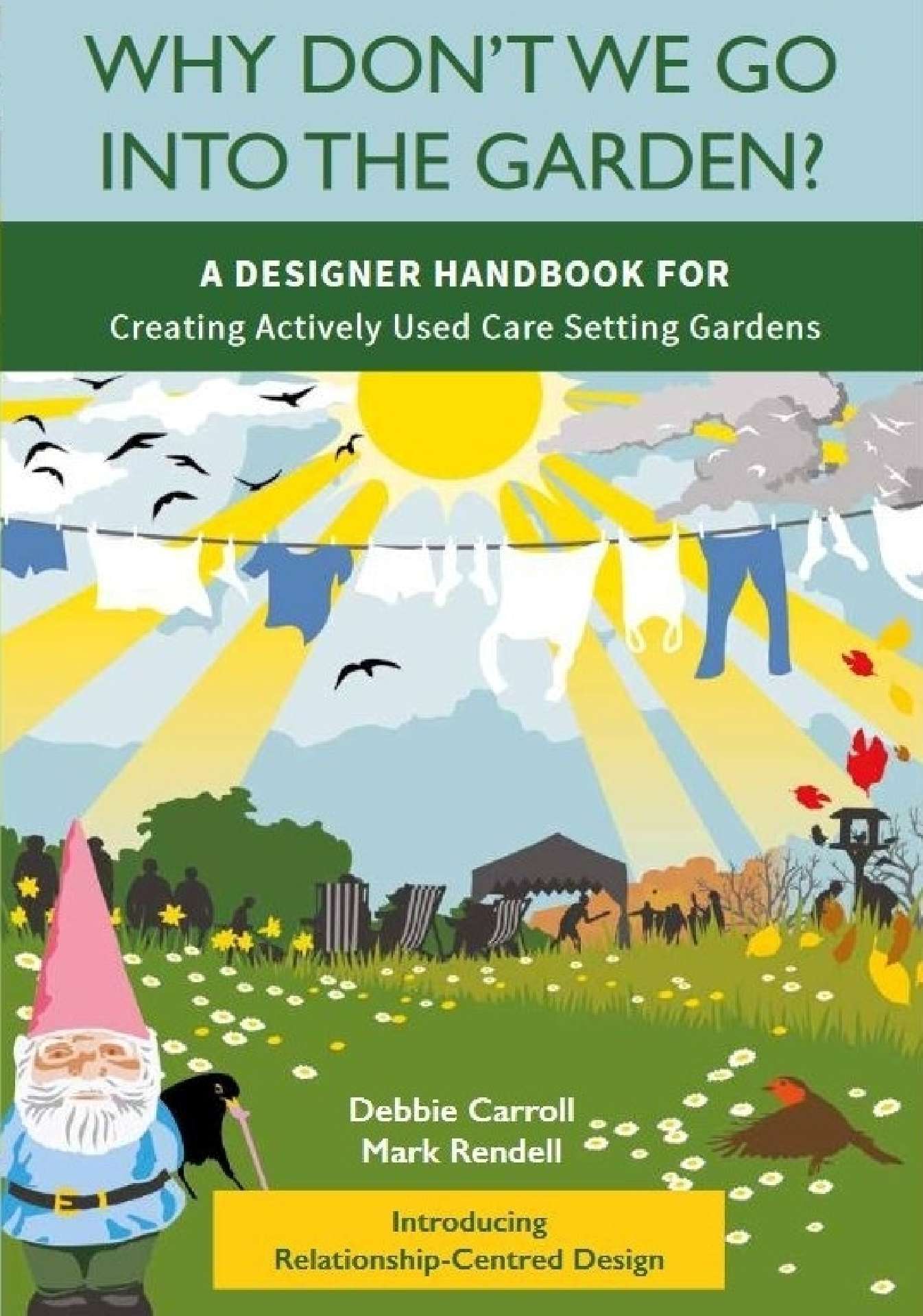
This award winning garden design handbook supports those who support care settings to create well-used and well-loved care home garden designs. Based on our extensive research project into what makes care home gardens more actively used. In it we share a new way of working with care settings called ‘Relationship-Centred Design’. This approach ensures that design support matches the current care culture of the setting to reduce the risk of the design investment leading to an under-used or abandoned garden once the novelty of a new space has worn off. Real-life stories illuminate this thought provoking book and brings to life how to ensure gardens are meaningfully developed and used, and with particular reference to people living with dementia. It is also worth stating what this Handbook is not; it is not a guide to what the gradient of a ramp should be nor other installation specifics; many other books...
Genres: Academic, Advice & How To, Business, General Nonfiction, Health & Fitness, Manuals and Workbooks, Mental Health, Nature/Science, Self-Help/Personal Development, Other
Formats: Paperback
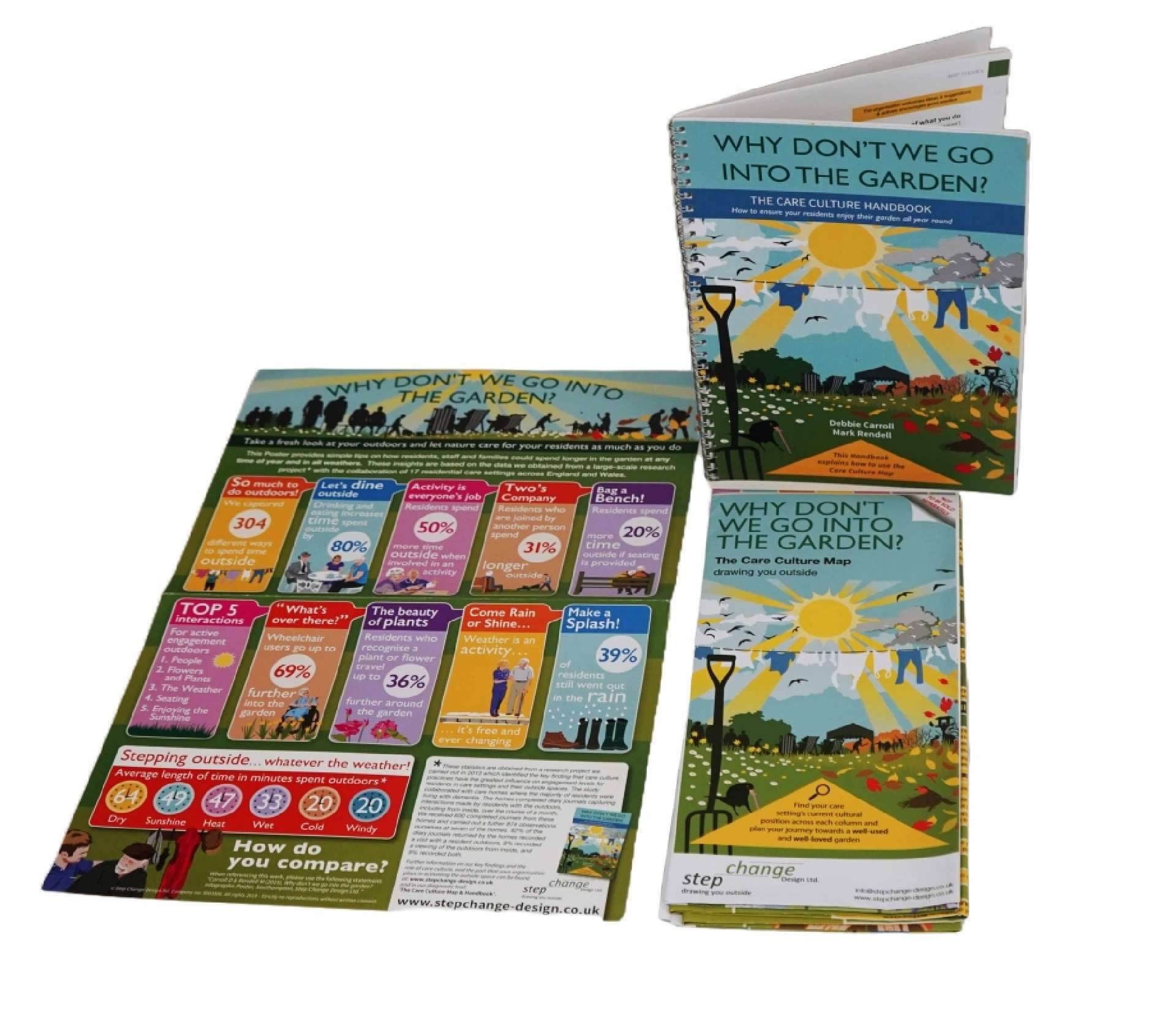
The award winning Care Culture Map and Handbook shares the key findings from our evidence based research into what makes care home gardens more actively used. This package supports care homes, and the outdoor specialists who support them, to identify and address the factors that prevent resident’s regularly and meaningfully engaging with the care home gardens. The visually engaging Care Culture Map makes the often complex process of culture change visually accessible and understandable by all staff within care settings allowing progress to be clearly seen, understood and readily communicated. This diagnostic tool enables care settings to locate where they are along a care culture spectrum in relation to Person-Centred and Relationship-Centred Care. It is deliberately paper based to encourage group discussion as to what is holding back greater use of the existing gardens and to agree a route forward. The accompanying handbook explores several common themes to overcome, including:...