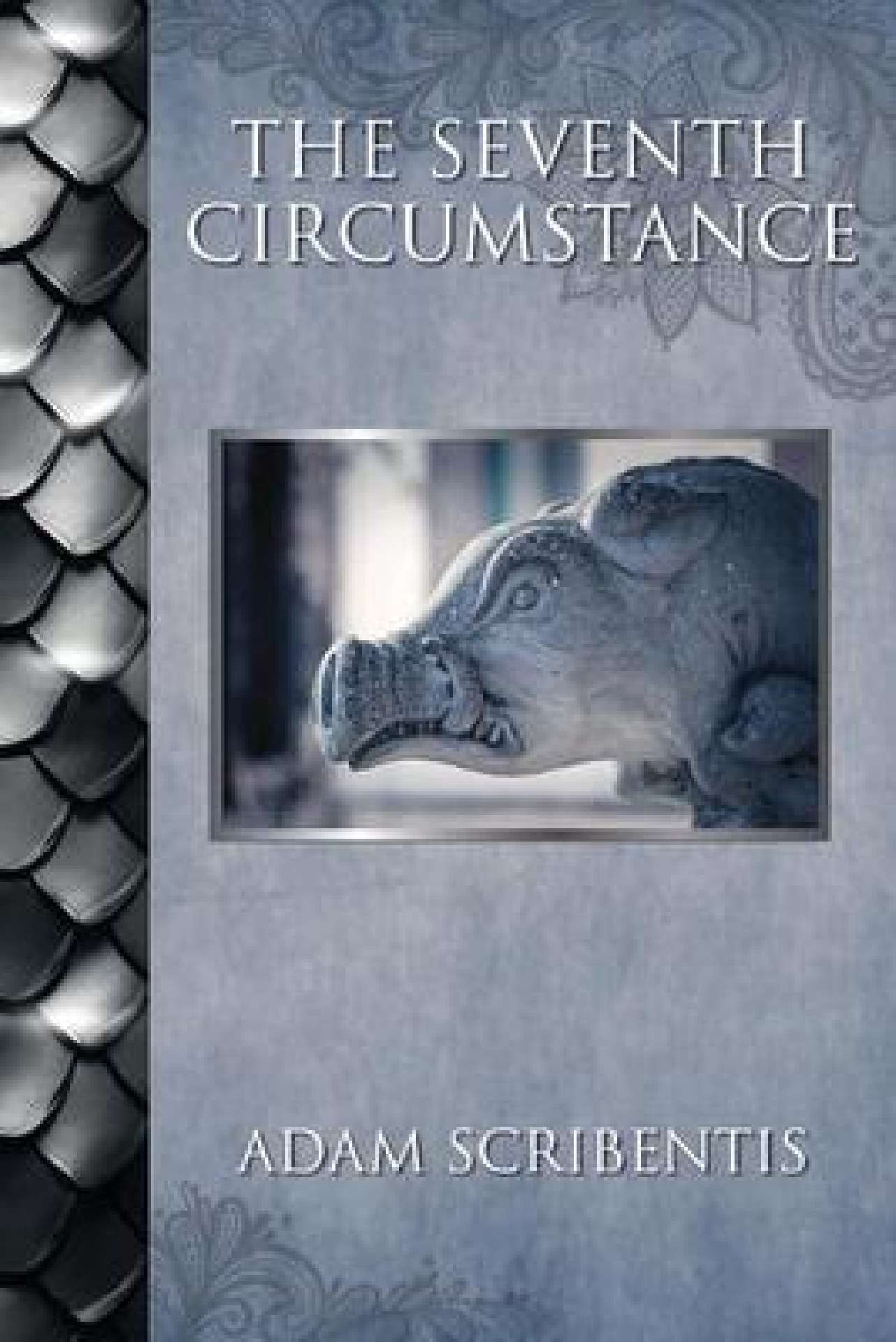
Longhand and Lotsmore
Formats: E-Book, Paperback
Ages: 12-15, 16-18, 18+
A satirical thriller in the tradition of Evelyn Waugh. Monsignor Ralph Longhand, a Holy See diplomat, and ex-Army officer Peter Lotsmore both revisit the Republic of Sardoniki, where Vasilissa, the malfeasant President, contends with autonomists, journalists, the judiciary, the local Orthodox hierarchy and her own military chief of staff during an incendiary week in politics. (50,000 words)
Reviews
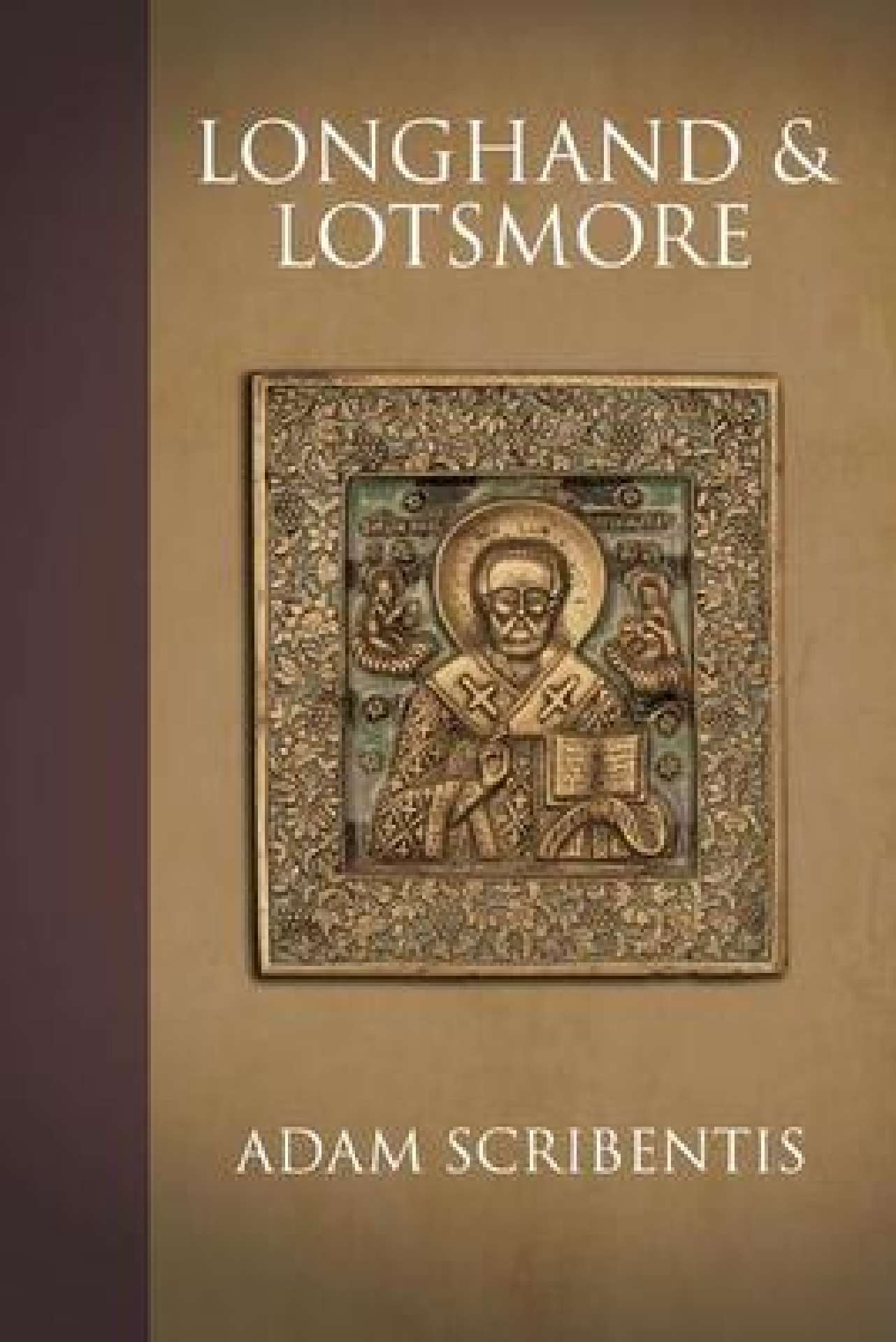
FACTIONS AND FANTASY (abridged review) If you are of a literary bent and have grown up in the UK, then it is a temptation to satirise other newer, more fragile places. Adam Scribentis has succumbed to this temptation in his first novel: a tale of plots and counterplots, border disputes and rival religions in the Republic of Sardoniki, a country of factions and fantasy. Into this ferment of 96 per cent Greek-speakers and 95 per cent Orthodox believers arrive two Englishmen: Peter Lotsmore, a former army officer who is recovering from a mysterious accident, and Monsignor Ralph Longhand, a seasoned papal diplomat and negotiator. Hovering over the action and its various subplots is a strange icon, that of Saint Dalmatios, the patron saint of Sardoniki, with his enigmatic message from beyond the grave: “He who sleeps, let him wake up.” Scribentis has structured his novel into one hectic week, and much is crammed into these seven days – danger for some, ruin for others, a fatal incident in the Disputed Zone and – after hours of suspense – a plane to wing Longhand and Lotsmore back to Rome and England respectively. The novel is a light read, pure Prisoner of Zenda stuff, with a few updated modern aspects. The author has clearly enjoyed inventing exotic Greek names and colourful political factions.
PERSEVERANCE REAPS REWARDS (full review) Longhand and Lotsmore are two Englishmen who travel independently but at the same time, each with their own agenda, to Sardoniki, a mythical Greek-speaking country in Eastern Europe. As one can easily guess from their names and that of the country, this is intended as a satirical novel. Longhand is a Catholic diplomat, on a mission to dissuade the Sardonikan government from imposing a new constitution with a clause that the Vatican cannot agree to; Lotsmore is a former Army officer returning to the country to meet up with friends. Arrived, their paths cross almost immediately, and they become inveigled in the complex politics of corruption, ministerial power-plays, civil disturbances and a breakaway province on the verge of civil war. There is a large cast of characters all of whom, naturally, have Greek-ish names. Coupled with the author’s predilection to never use a simple verb or adjective where a longer (and often arcane) one or Latin term could be used instead, I found the book hard to follow at first. However, perseverance reaps rewards, and once I was into the story I engaged with the satire and enjoyed the prose. The plot itself is, of course, absurd, but allegorical - one can find many parallels with current real life global politics. Would that those would have such satisfying outcomes.
ENTERTAINING POLITICAL THRILLER WITH A STING IN THE TAIL (full review) This highly entertaining romp through the aptly named ‘Republic of Sardoniki’ during eight days of political upheaval is told very much from the sort of perspective you find in early Evelyn Waugh novels like Scoop or Black Mischief. It features two phlegmatic Englishmen, Ralph Longhand (a Catholic Monsignor and diplomat) and Peter Lotsmore (a former Army officer) as keen observers of the bizarre antics and religio-political passions of the foreigners. The dialogue is wonderfully pacy and gently satirical, and the plot runs like clockwork. There is also lots of clever play on names and other details; you feel you are in the company of an author who knows what he is about and has put considerable work into amusing the reader. But it’s also more than just amusing. In the posthumous intervention of the local Saint Dalmatios against the ‘globalist’ plotting of the chilling villainness Vasilissa, there is a serious point being made about the interwoven fabric of national and religious identity as something worthy of preservation. (The reviewer took part in pre-publication discussions and readings with the author and received a complimentary print copy.)